

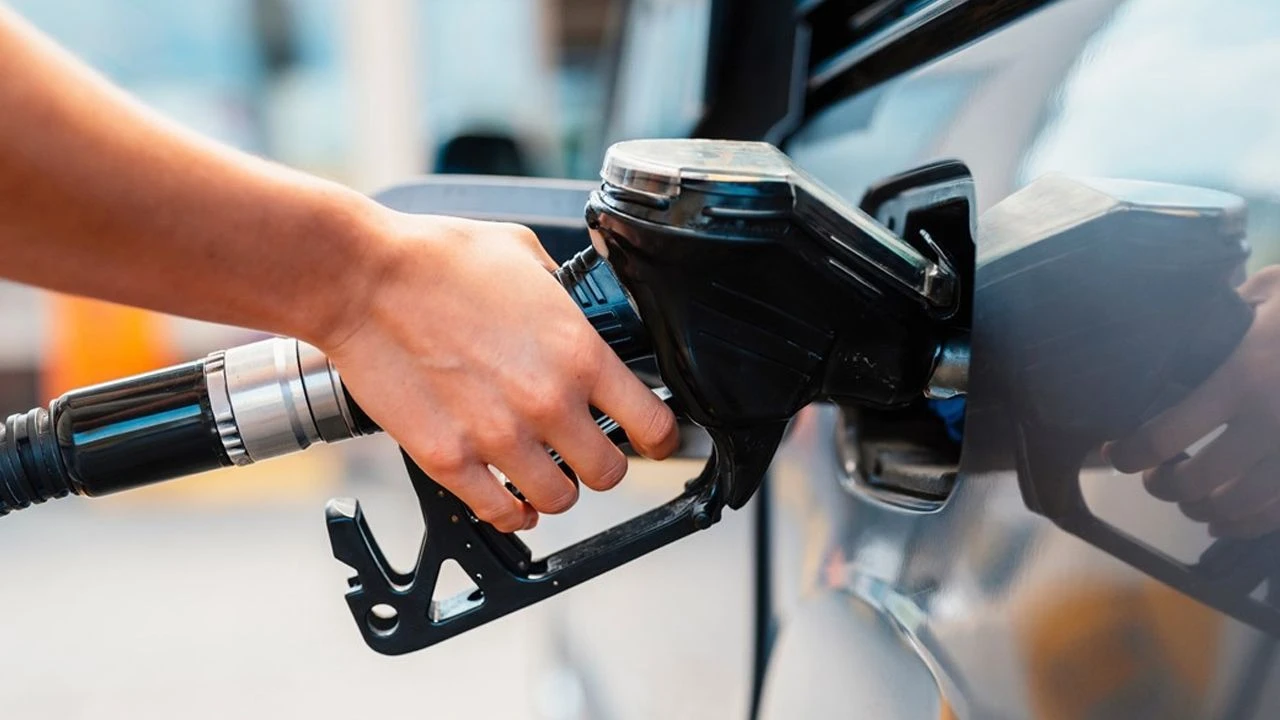
The fuel delivery policies offered by car rental companies vary according to customer expectations and operational needs. The three most common policies are full-to-full (full tank on pickup, full tank on return), pre-paid (prepaid fuel), and full-to-empty (full tank on pickup, empty tank on return). In addition, some companies offer an “fair fuel policy” or hybrid solutions that combine the advantages of both methods.
Each of these policies provides different benefits to both the customer and the rental company. Full-to-full allows the user to pay only for the fuel actually consumed; pre-paid saves time; and full-to-empty offers return convenience. However, each method also has its own drawbacks in terms of cost, flexibility, and responsibility.
Determining which fuel policy is best for you before renting will prevent unexpected extra charges. It is critical to review the policy in detail and read the rental company’s current terms on their website before signing the vehicle handover agreement. This ensures that both your budget and travel plans are secured.
Having a basic understanding of the definitions and workings of fuel policies will prevent additional fees during your vacation or business trip. In the following sections, we will examine each policy in detail and guide you on when to choose each one.
Full-to-full policy requires you to return the vehicle with a full tank, just as it was delivered. Any missing fuel at return is charged to your credit card at the rental company’s current fuel rate. This method is considered the most reasonable option in terms of fairness and transparency.
The main advantage of this method is that you pay only for the fuel you actually use. You can refill at any station of your choice to find the best price, avoiding overpriced airport or parking-lot stations. As long as the tank is full when you pick up and return the vehicle, no extra service fee is charged.
The drawback is that refueling can be time-consuming. If you don’t know the location of nearby stations at the return point or if traffic prevents you from stopping, the process may be delayed. Some rental offices provide a recommended station list near the return location; using this list can significantly reduce wait times.
With full-to-full, always check the handover report before returning the vehicle. Ensure the fuel gauge truly shows full and consider adding a photo to the report. This precaution prevents disputes over fuel levels at return and helps you avoid extra charges.
Pre-paid policy allows you to prepay for a specified amount of fuel—liters or cost—when picking up the vehicle. There is no obligation to refuel before return; the tank level at drop-off does not matter. This method is particularly appealing to drivers with tight schedules.
The biggest advantage of pre-paid is eliminating the need to stop for fuel before return. It saves time during fast-paced business trips or short city rentals. It also alleviates stress if the nearest station at the return point is closed or crowded. This simplifies the rental process.
However, prepaid rates can exceed actual consumption. You might pay for 50 liters when you only use 40. If you misestimate your usage or route, you risk overpaying. Therefore, it’s important to plan your estimated mileage accurately when choosing pre-paid.
Another downside is missing the opportunity to refill at cheaper stations in or outside the city. While pre-paid protects you from price fluctuations, the fixed rate may be higher than market prices.
Full-to-empty policy charges you for the fuel remaining in the tank at return, based on how much was left. You are not required to return the vehicle empty; you simply pay for the liters remaining. This method is designed for customers seeking a quick return and flexibility.
The main advantage of this method is eliminating the need to refuel before return. It provides convenience and saves time when no nearby station is available. It also removes the hassle of filling up at remote return locations.
The drawback of full-to-empty is that the rental company often refills the remaining fuel at their own or an on-site station at a higher price. You may end up paying extra for fuel you did not consume. Additionally, accurately recording the remaining fuel level can be subjective and lead to disputes.
If you choose full-to-empty, be sure to photograph the tank gauge before returning the vehicle. Creating a clear record on the return form will help protect your rights in any later disputes.
Due to increasing competition and a focus on customer satisfaction, some rental companies have introduced fair fuel policies. This model blends the transparency of full-to-full with the time-saving advantage of pre-paid. The vehicle is delivered with a full tank, and there is no refill requirement at return; instead, your card is charged for actual consumption in real time.
The biggest benefit of the hybrid model is completely eliminating the risk of overpayment. You pay only for the fuel actually used, without having to stop at a station upon return. This provides both time and cost optimization. The rental company also streamlines its operations and boosts customer satisfaction.
These solutions typically operate via a dedicated mobile app or web portal. Fuel levels are monitored in real time through the vehicle’s telematics system, and consumption is calculated automatically at return. Users can access detailed consumption reports through the app, showing exactly where and how much fuel was used.
Fair fuel policies are ideal for long-term rentals or indeterminate routes. The electronically recorded data and automated calculations provide more accurate results than manual reports, minimizing the chance of disputes.
Route Planning: Research station locations, price ranges, and operating hours along your route in advance. Choosing budget-friendly stations under a full-to-full policy can significantly lower total costs.
Rental Duration and Mileage Estimate: For short-term rentals with fixed mileage, pre-paid may be advantageous; for long-term or open-ended mileage, full-to-full is more equitable. Factor in road conditions and additional drivers when estimating daily kilometers.
Return Location Conditions: Check fuel availability at your return point. Under full-to-empty, partner station prices may be high; prepare accordingly or consider alternative return sites.
Contract Details: Obtain clear information on the fuel policy’s definition, per-liter rates, service fees, and possible extra charges. Vague language or hidden fees can lead to unexpected costs.
Additional Service Requests: Notify the company of add-ons like child seats, GPS, or extra drivers early—this speeds up the process and clarifies total costs separate from the fuel policy.
Cost Analysis: When comparing rental offers, evaluate the fuel policy cost separately from the daily rental rate. Some companies bundle prepaid fuel as a promotion, but it’s crucial to compare overall expenses.
Choosing the right fuel policy makes your rental experience both economical and comfortable. By clarifying your needs, budget, and schedule before renting and following the above criteria, you can enjoy a hassle-free journey.
